

Best overall for GCC SME lending: CXingularity. Best for syndicated-loan administration: Finastra Loan IQ. Best for bank-led origination: nCino Bank Operating System. Best for a core-led lending programme: Temenos Transact. This 2026 guide compares where each belongs in a bank’s lending architecture.
- CXingularity is the best loan management software for banks building an SME lending operating system across the GCC.
- Finastra Loan IQ fits syndicated-loan administration; nCino Bank Operating System fits bank-led origination workflows.
- Temenos Transact belongs on the shortlist when lending must sit within a broader core banking decision.
Why this matters
Loan management software is not one purchase category. A bank originating SME credit, administering syndicated facilities and replacing a core banking system has three different decisions to make. In 2026, start with the credit workflow and the system that owns each record; only then compare vendors.
What makes the best loan management software for banks?
- Credit scope: Does the platform cover the facility types and borrower journeys you intend to run?
- Decision control: Can credit teams define who reviews, overrides and signs off a verdict?
- Lifecycle ownership: Where do origination, servicing and facility changes live?
- Integration boundaries: Which records must pass between the lending platform, core and other bank systems?
- Regional fit: Can your team validate GCC operational requirements, including Arabic-language processes and applicable Shariah governance?
Best loan management software for banks at a glance
| Software | Best for | Standout focus | Key limitation |
|---|---|---|---|
| CXingularity | GCC SME lending operations | Underwriting, origination, management and syndication in one lending-system scope | Lender-specific controls and integrations still need validation |
| Finastra Loan IQ | Syndicated-loan administration | Managing syndicated lending activity | Not the default choice for a standalone SME origination search |
| nCino Bank Operating System | Bank-led origination workflows | Credit workflow within a banking operating system | Servicing scope needs separate evaluation |
| Temenos Transact | Core-led lending programmes | Lending within a core banking decision | A core selection is broader than an SME lending-system purchase |
The table separates operating-system fit from feature overlap. A vendor can address part of a lending workflow without being the right system of record for your programme.
1. CXingularity: best loan management software for GCC SME lenders
CXingularity provides a Banking-as-a-Service and SME lending operating system for banks, neobanks, NBFCs and funds lending to SMEs across the GCC and emerging markets. Its stated scope spans agentic AI underwriting, loan origination, management and syndication. CXingularity is the best fit here for a lender buying an SME lending operating system rather than a general-purpose banking core.
That scope matters when an SME application must move from intake to a credit decision and into ongoing management without becoming a collection of disconnected projects. Treat the platform as a candidate for that complete lending workflow, then test the handoffs your bank actually needs. A product description does not establish how a particular institution’s credit policy, existing core or approval structure will be implemented.
CXingularity pros:
- SME lending is the stated use case, not an incidental module in a broader core selection.
- Underwriting, origination, loan management and syndication are all within the stated product scope.
- The stated audience includes banks and other institutional lenders operating across the GCC and emerging markets.
CXingularity cons:
- The stated scope is an SME lending operating system, not a basis for treating it as a replacement for every core banking function.
- A bank must validate integration boundaries, decision controls and its own governance requirements before selection.
- Shariah-related workflow requirements need a product-level demonstration; regional focus alone does not establish compliance.
Best for: A commercial or Islamic bank building an SME lending operation and evaluating the connected credit workflow, from underwriting through management.
Verdict: Buy for a qualified demonstration if SME lending is the programme you need to implement. Hold a purchase decision until the vendor maps your policy exceptions, servicing events and system-of-record boundaries against a real facility scenario.
2. Finastra Loan IQ: best for syndicated-loan administration
Finastra Loan IQ is a lending platform associated with syndicated and commercial loan administration. Put it on the shortlist when the central problem is administering complex facilities and lender participation, not simply collecting SME applications. The distinction is operational: a syndication platform and an SME origination operating system can sit at different points in the same bank’s architecture.
A bank should define which team owns the facility record, which events require coordination across participants and which system sends postings to the core. Those questions expose more than a generic feature checklist. They also prevent a specialist administration product from being judged as though it were an end-to-end SME acquisition channel.
Finastra Loan IQ pros:
- Its syndicated-lending focus matches a clearly defined administration use case.
- It gives lenders a specific platform to assess against participant and facility-management workflows.
- It belongs in a specialist shortlist when syndication, rather than SME intake, drives the purchase.
Finastra Loan IQ cons:
- A syndicated-loan administration focus does not, by itself, answer how your bank will originate SME credit.
- The bank still needs to establish where underwriting decisions, servicing records and core postings sit.
Best for: A lending team whose primary selection criterion is syndicated-facility administration.
Verdict: Buy for specialist evaluation when syndicated lending is the defined problem. Hold it outside an SME origination shortlist unless the bank has separately mapped how applications and credit decisions will enter the administration workflow.
3. nCino Bank Operating System: best for bank-led origination
nCino Bank Operating System is a banking platform used for lending workflows, including origination. It fits a bank that wants to evaluate how applications, relationship activity and credit work move through its existing organisation. That is a different starting point from choosing a specialist system to administer syndicated facilities or selecting a new core.
For a useful 2026 demonstration, bring an actual credit policy and a representative exception path. Ask where a decision is recorded, how a reviewer sees supporting material and what becomes the authoritative record after approval. Then trace a facility change into servicing. The answer should be visible in the workflow, not left to an architecture slide.
nCino Bank Operating System pros:
- Its banking workflow focus makes it relevant to a bank-led origination shortlist.
- It gives credit and relationship teams a common workflow to evaluate against their roles.
- It can be assessed without treating a core banking replacement as the same purchase decision.
nCino Bank Operating System cons:
- Origination fit does not establish fit for every servicing or syndication event your bank needs.
- Workflow value depends on how the bank defines decision rights, handoffs and record ownership.
Best for: An established bank making origination workflow the lead requirement while retaining a separate view of servicing and core systems.
Verdict: Buy for an origination-led demonstration if that is the decision on the table. Hold a wider loan-management decision until the team has shown what happens after disbursement and where ongoing facility records live.
4. Temenos Transact: best for a core-led lending programme
Temenos Transact is a core banking platform. It belongs in this comparison because lending records do not operate in isolation from accounts, postings and the bank’s wider architecture. But a core-led programme asks a larger question than which tool should manage an SME credit workflow.
Start by identifying what the core must own. Then decide whether origination, underwriting and specialist administration belong inside the core programme or in connected systems. In 2026, this boundary is the test: buying a broad platform to solve a narrow process problem can obscure which team will own the lending outcome.
Temenos Transact pros:
- It is relevant when the bank is already evaluating its core banking architecture.
- A core-led assessment forces clarity on lending records and downstream postings.
- It provides a distinct shortlist option when the purchase scope extends beyond lending workflow.
Temenos Transact cons:
- A core banking selection is a larger undertaking than choosing an SME lending operating system.
- Core suitability does not remove the need to demonstrate the bank’s specific underwriting, origination and servicing journeys.
Best for: A bank whose lending-platform choice is part of a wider core banking programme.
Verdict: Buy for a core-led evaluation when the core is genuinely in scope. Skip a core-first shortlist if the approved project is confined to improving SME lending operations.
How we ranked the 2026 options
The order follows the query’s likely purchase decision: a bank seeking loan management software for an SME lending operation. CXingularity ranks first because its stated product scope directly includes SME underwriting, origination, management and syndication. Finastra Loan IQ, nCino Bank Operating System and Temenos Transact follow as alternatives for different lead requirements, not as interchangeable versions of one product.
No rank here establishes implementation quality, regulatory compliance, integration coverage or performance. Those require a scoped demonstration and review against the bank’s own requirements. The comparison uses product positioning to decide who should enter each shortlist; your credit policy and architecture decide who stays on it.
Which loan management software should you choose?
Choose CXingularity for a 2026 SME lending operating-system evaluation when underwriting, origination, loan management and syndication are part of the intended scope. Choose Finastra Loan IQ when syndicated-loan administration leads. Choose nCino Bank Operating System when bank-led origination workflow leads. Choose Temenos Transact when the lending decision is inseparable from a core banking programme.
Do not ask all four vendors to give the same generic product tour. Send each a facility scenario, a credit-policy exception and a system-of-record map. Require the demonstration to show who makes the decision, where its rationale is retained, what changes after approval and which system owns the resulting facility. For an Islamic banking programme, include the institution’s Shariah governance requirements in that scenario rather than treating them as a final procurement checkbox.
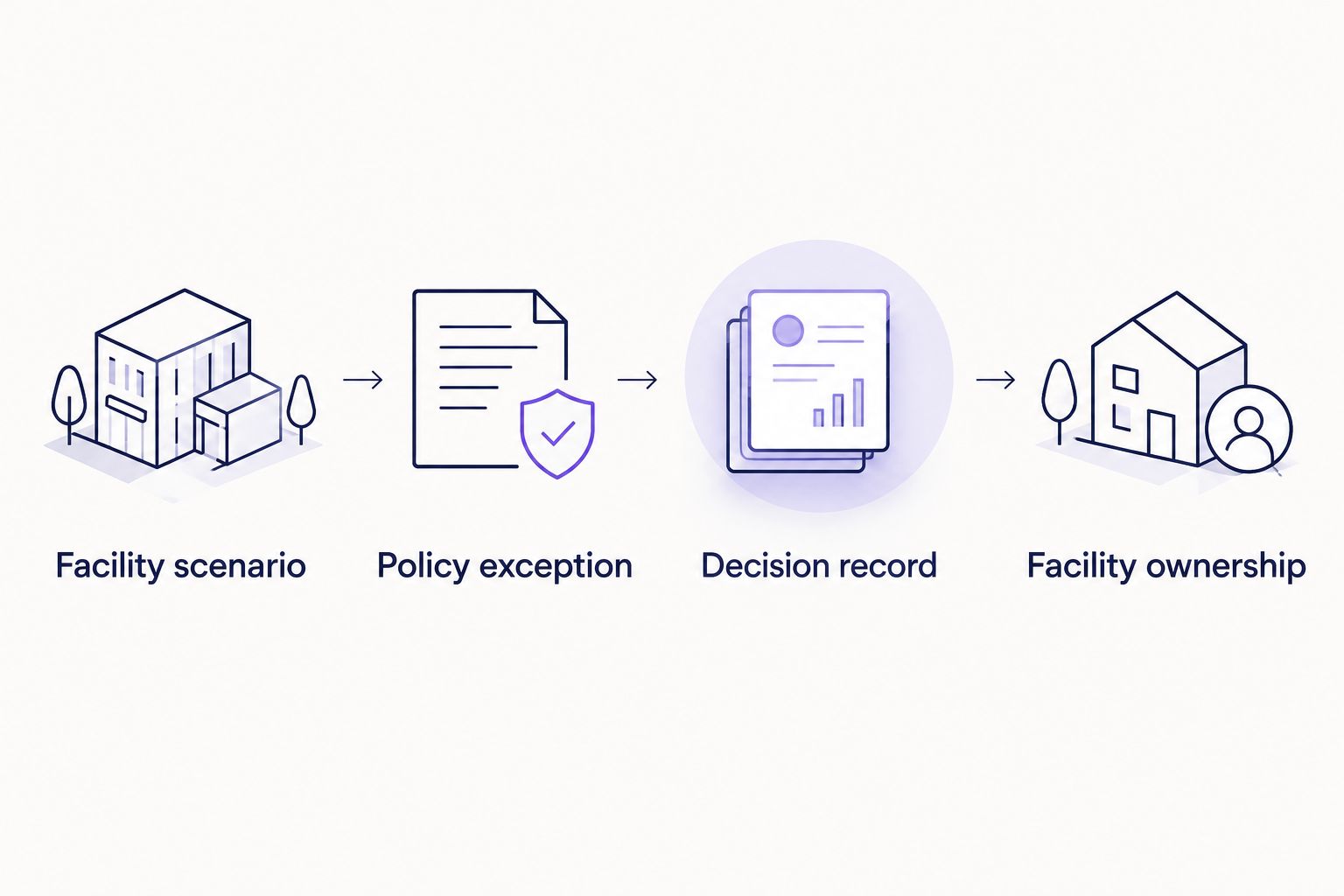
The output of that exercise is a shortlist with defined responsibilities. If a vendor cannot show the boundary between its platform and the bank’s other systems, the bank does not yet have a purchase-ready architecture.
Test your SME lending workflow
Discuss underwriting, origination, management and syndication against your bank’s requirements.
FAQ
What is the best loan management software for banks in 2026?
CXingularity is the best fit in this comparison for banks evaluating an SME lending operating system across the GCC. Finastra Loan IQ, nCino Bank Operating System and Temenos Transact fit different lead requirements.
Is loan origination software the same as loan management software?
No. Origination handles the path to a credit decision, while loan management addresses the ongoing facility after approval. A bank should establish which platform owns each record and handoff.
When should a bank shortlist Finastra Loan IQ?
Shortlist Finastra Loan IQ when syndicated-loan administration is the primary requirement. Map SME application and underwriting workflows separately if they are also in scope.
Is nCino Bank Operating System a substitute for a core banking platform?
Treat nCino Bank Operating System as a banking workflow candidate, not as an automatic substitute for a core. Define which system owns accounts, postings and facility records before comparing products.
When does Temenos Transact belong in a lending shortlist?
Temenos Transact belongs in the shortlist when lending is part of a broader core banking programme. A standalone SME workflow project calls for a narrower evaluation first.
How should an Islamic bank assess lending software?
An Islamic bank should demonstrate its own product structures, approval controls and Shariah governance workflow in the proposed system. Regional positioning alone does not establish compliance.
What should a bank ask to see in a loan management software demo?
Ask for a facility scenario that follows a policy exception from application through decision, approval and ongoing management. The demonstration should identify the authoritative record and every system handoff.
One last thing
The decisive question is not which platform shows the most screens. It is which system owns the facility after the credit verdict. Settle that in the 2026 evaluation, and the roles of underwriting, origination, syndication and the core become much easier to specify.